What Jewish Wealth Habits Can Teach Anyone About Money | Lee Jenkins
As a rookie stockbroker in the mid-1980s, Lee Jenkins noticed something striking about his Jewish clients and colleagues: their relationship with money was fundamentally different from anything he had grown up seeing. Curious, he started asking questions, listening, and learning. Reading Steven Silbiger’s The Jewish Phenomenon helped it all click into place.
One statistic says it all: Jewish people make up only 2.4% of the U.S. population, yet nearly 1 in 3 American millionaires is Jewish. So what’s going on? What are they doing differently?
Here are the 8 wealth principles Lee Jenkins observed over decades of working with Jewish clients — principles he believes anyone can apply, regardless of background.
1. They Build Generational Wealth, and Avoid Single Generation Consumption
Whether religious or not, many live by the spirit of Proverbs 13:22: “A good man leaves an inheritance to his children’s children.” Money isn’t primarily a tool to fund your own lifestyle — it’s a vehicle to empower the next generation. The question isn’t “what can I afford?” but “what can I leave behind?”
2. They Give Assets, Not Appliances
At weddings and celebrations, forget the toaster or the china set. In many Jewish families, gifts come in the form of cash or stocks. The logic is straightforward: give something that appreciates over time, not something that depreciates the moment it leaves the store. It’s the difference between a gift that grows and a gift that gathers dust.
3. They Expect to Be Wealthy — and Feel Ashamed If They’re Not
In the Jewish-American culture Lee Jenkins observed, financial success is the norm, not the exception. Where he grew up, struggle was common and wealth was rare. Among his Jewish clients, it was the opposite: there was pride in building wealth and a genuine sense of shame in mismanaging it. Shifting your baseline expectation from scarcity to prosperity is a powerful mental reset.
4. They Use Pain as Fuel, Not as an Excuse
Jewish history is marked by centuries of persecution and hardship. Yet rather than being defined or paralyzed by that past, they channeled it into drive and determination. Lee Jenkins draws a direct parallel to the African-American experience: the same history of oppression can either hold a community back or propel it forward. That choice is everything.
5. They Focus on Being Rich, Not Looking Rich
No flashy cars, no designer logos for show. Many of Lee Jenkins’ wealthiest Jewish clients drove reliable, modest vehicles — not because they couldn’t afford more, but because they cared more about being wealthy than appearing wealthy. In an era of social media flexing, this distinction couldn’t be more relevant.
6. They Are Selectively Extravagant and Prudently Frugal
This is one of the most nuanced principles: they would spend generously — even lavishly — on education, meaningful experiences, investments, and causes they cared deeply about. But those same people would clip grocery coupons without a second thought. This isn’t about being cheap. It’s about being intentional. Knowing when to spend big and when to hold back is a rare and powerful financial skill.
7. They See Sales as a Noble Profession
Many Jewish families actively encouraged their children to pursue careers in sales. Why? Because sales creates opportunity, teaches communication, builds resilience, and uncaps your earning potential. Rather than looking down on the profession, they viewed it as a gateway to entrepreneurship and financial freedom — a mindset shift that opens a lot of doors.
8. They Practice Group Economics
They hired each other, referred each other, and funded each other’s business ventures. This wasn’t about exclusion — Lee Jenkins himself had many Jewish clients — but about a deep commitment to keeping wealth circulating within the community. The dollar stayed in motion. It’s a model of economic solidarity that Lee Jenkins explicitly calls for in the Black community: not just supporting one another, but building real collective financial power.
The Bottom Line
As Lee Jenkins puts it best: you don’t have to be Jewish to apply these principles. Wisdom is wisdom — and it works for anybody.
These 8 habits aren’t secret formulas reserved for a chosen few. They are mindsets, choices, and cultural practices passed down through generations — and every single one of them is available to you starting today.

Rachat LPP après un retrait pour l’achat d’un logement
Voici les règles suisses de rachat dans la caisse de pension (LPP) après un retrait pour l’achat d’un logement (encouragement à la propriété du logement – EPL).
1. Principe général
Lorsque vous avez retiré des avoirs LPP pour acheter, construire ou amortir un logement occupé à titre personnel, vous ne pouvez pas effectuer de rachats volontaires dans votre caisse de pension tant que ce retrait n’a pas été remboursé.
👉 Priorité absolue : le remboursement du retrait EPL.
Continue reading “Rachat LPP après un retrait pour l’achat d’un logement”
Sites de comparaison des prix
Voyages
Vols en avion
Skyscanner : Comparaison exhaustive des vols, avec options de recherche flexibles (dates, aéroports).
Google Flights : Interface intuitive, filtres puissants et alertes prix.
Kayak : Agrège les offres de nombreuses compagnies et agences, inclut les vols low-cost.
Momondo : Moteur de recherche global, souvent des prix très compétitifs.
Hôtels
Booking.com : Large choix, filtres détaillés et avis vérifiés.
Trivago : Compare les prix de centaines de sites (Booking, Expedia, etc.).
Agoda : Spécialisé en Asie, mais aussi très utile en Europe et dans le monde.
CozyCozy : Moteur de recherche et comparateur d’hébergements (hôtels, appartements, maisons de vacances, glampings) qui agrège les offres de plusieurs plateformes (Airbnb, Booking, Vrbo, etc.).
Auberges de jeunesse
Hostelworld : La référence pour les auberges de jeunesse, avec des avis détaillés et des filtres pratiques (prix, note, équipements).
HI Hostels (Hostelling International) : Réseau historique d’auberges de jeunesse, avec des standards de qualité.
Hébergement chez l’habitant
Couchsurfing Pour un hébergement gratuit chez l’habitant, avec une communauté de voyageurs.
Workaway / HelpX Échange travail contre hébergement (ex : aider dans une auberge en Grèce ou une ferme en Espagne). Points forts : Voyage longue durée à moindre coût.
Airbnb : Plateforme polyvalente proposant des hébergements variés (appartements, maisons, chambres privées).
Séjours organisés (voyages tout compris)
Expedia : Vols + hôtels + activités, souvent des packs avantageux.
Opodo : Propose des forfaits vols + hôtels à prix réduits.
Lastminute.com : Spécialisé dans les offres de dernière minute.
Promovacances : Comparateur français pour les séjours organisés.
Weekendesk : Offres packagées (hébergement + activités, repas, spa, etc.) à prix réduits, souvent avec des partenariats exclusifs.
Séjours ski
Skiinfo : Compare les forfaits ski, hébergements et locations de matériel.
Snowtrex : Spécialisé dans les séjours au ski en Europe.
Travelski : Offres pour les stations françaises et européennes.
Sunweb : Forfaits tout compris (hébergement, forfait de ski, location de matériel, cours, etc.) dans plus de 300 stations en Europe (France, Autriche, Italie, Suisse, etc.).
Séjours sportifs
UCPA : Référence pour les stages sportifs en Europe (ski, escalade, voile, trail, etc.).
Location de voitures
Rentalcars.com : Compare les loueurs (Hertz, Avis, Europcar, etc.).
Kayak Voitures : Intègre la comparaison de locations dans ses résultats de voyage.
Discovercars.com : Comparateur international avec de bonnes offres.
Billets de train
Trainline : Compare les prix des trains en Europe (SNCF, Deutsche Bahn, etc.).
Omio : Vols, trains et bus en un seul endroit.
Voyages-sncf.com : Pour les trajets en France et en Europe.
Rail Europe : Pour les billets de train internationaux.
Activités et expériences locales
GetYourGuide : Comparaison d’excursions, visites guidées et activités.
Klook : Billets pour attractions, parcs et expériences.
Musement : Réservations d’activités et visites.
High-Tech, Sport, Mode & Objets du quotidien
Général
| Pays | Site local | Lien |
|---|---|---|
| Allemagne | Idealo | https://www.idealo.de/ |
| Autriche | Geizhals | https://geizhals.at/ |
| Belgique | Kelkoo | https://fr.kelkoo.be/ |
| Espagne | Idealo | https://www.idealo.es/ |
| France | Idealo | https://www.idealo.fr/ |
| Italie | TrovaPrezzi | https://www.trovaprezzi.it/ |
| Portugal | KuantoKusta | https://www.kuantokusta.pt/ |
| Royaume-Uni | PriceRunner | https://www.pricerunner.com |
| Suisse | TopPreise | https://www.toppreise.ch |
Autres sites intéressants :
Google Shopping : Disponible dans de nombreux pays, idéal pour comparer rapidement.
CamelCamelCamel : Spécialisé pour suivre l’historique des prix sur Amazon (États-Unis, Royaume-Uni, Allemagne, etc.).
Mode et accessoires
Lyst : Agrège les boutiques en ligne (Zalando, Farfetch, etc.) pour la mode.
ShopStyle : Comparaison de vêtements, chaussures et accessoires.
Idealo Mode : Section dédiée à la mode sur Idealo.
High-Tech et électroménager
Idealo : Référence en Europe pour comparer les prix.
Priceminister (Rakuten) : Large choix de produits high-tech.
CamelCamelCamel : Suivi des prix sur Amazon.
Price-Volume-Mix Analysis | A Comprehensive Guide
Price-Volume-Mix (PVM) analysis is a fundamental tool in financial management and business intelligence. It allows companies to understand exactly why their revenue changed between two periods by decomposing the total variance into distinct, actionable components.
This analytical method is crucial for:
- Strategic decision-making
- Performance evaluation
- Stakeholder communication
- Budget planning and forecasting
The Core Concept
When revenue changes from one period to another, three main factors can be responsible:
- Price Effect: Did we sell at higher or lower prices?
- Volume Effect: Did we sell more or fewer units?
- Mix Effect: Did we sell relatively more high-value or low-value products?
Understanding which of these factors drove the change is essential for management to make informed decisions.
Continue reading “Price-Volume-Mix Analysis | A Comprehensive Guide”Warren Buffett | Le Pari à 1 Million de Dollars

En 2007, Warren Buffett lançait un défi audacieux à l’industrie de la gestion d’actifs : un fonds indiciel S&P 500 (ETF) sur 10 ans ferait mieux que des fonds de hedge funds pourtant pilotés par des experts. Une décennie plus tard, le verdict est sans appel.
Petite Histoire de Responsabilité

C’est l’histoire de quatre individus : Chacun, Quelqu’un, Quiconque et Personne.
Un travail important devait être fait, et on avait demandé à Chacun de s’en occuper :
- Chacun était assuré que Quelqu’un allait le faire.
- Quelqu’un s’est emporté parce qu’il considérait que ce travail était la responsabilité de Chacun.
- Chacun croyait que Quiconque pouvait le faire, mais Personne ne s’était rendu compte que Chacun ne le ferait pas.
À la fin, Chacun blâmait Quelqu’un, du fait que Personne n’avait fait ce que Quiconque aurait dû faire.
Brooks’ Law | Bigger Teams, Bigger Problems?

When a project falls behind schedule, the knee-jerk reaction is often to add more people to the team. But does this actually help? According to Brooks’ Law, the answer is a resounding no. In fact, it might make things worse.
📉 𝐁𝐫𝐨𝐨𝐤𝐬’ 𝐋𝐚𝐰 𝐢𝐧 𝐚 𝐍𝐮𝐭𝐬𝐡𝐞𝐥𝐥
“Adding manpower to a late project makes it later.”
More people = more complexity, not more progress.
💡 𝐖𝐡𝐲 𝐁𝐢𝐠𝐠𝐞𝐫 𝐓𝐞𝐚𝐦𝐬 𝐁𝐚𝐜𝐤𝐟𝐢𝐫𝐞
● 𝐑𝐚𝐦𝐩-𝐔𝐩 𝐓𝐢𝐦𝐞: New team members need time to get up to speed, pulling focus and resources away from the project.
● 𝐂𝐨𝐦𝐦𝐮𝐧𝐢𝐜𝐚𝐭𝐢𝐨𝐧 𝐎𝐯𝐞𝐫𝐥𝐨𝐚𝐝: More people mean more meetings, emails, and misaligned priorities. Coordination becomes a bottleneck.
● 𝐃𝐢𝐦𝐢𝐧𝐢𝐬𝐡𝐢𝐧𝐠 𝐑𝐞𝐭𝐮𝐫𝐧𝐬: Not all tasks can be easily divided, and adding more hands can lead to duplicated efforts or confusion.
🔑 𝐇𝐨𝐰 𝐭𝐨 𝐀𝐯𝐨𝐢𝐝 𝐭𝐡𝐞 𝐏𝐢𝐭𝐟𝐚𝐥𝐥𝐬
● 𝐒𝐭𝐢𝐜𝐤 𝐭𝐨 𝐒𝐦𝐚𝐥𝐥𝐞𝐫, 𝐒𝐤𝐢𝐥𝐥𝐞𝐝 𝐓𝐞𝐚𝐦𝐬: Focus on quality over quantity. A smaller, highly skilled team can often outperform a larger, less cohesive one.
● 𝐒𝐭𝐫𝐞𝐚𝐦𝐥𝐢𝐧𝐞 𝐂𝐨𝐦𝐦𝐮𝐧𝐢𝐜𝐚𝐭𝐢𝐨𝐧: Use tools and processes that minimize friction and keep everyone aligned.
● 𝐀𝐝𝐝𝐫𝐞𝐬𝐬 𝐑𝐨𝐨𝐭 𝐂𝐚𝐮𝐬𝐞𝐬: Instead of adding people, identify and fix the underlying issues causing delays.
● 𝐏𝐥𝐚𝐧 𝐟𝐨𝐫 𝐑𝐞𝐚𝐥𝐢𝐬𝐭𝐢𝐜 𝐓𝐢𝐦𝐞𝐥𝐢𝐧𝐞𝐬: Avoid overpromising and set achievable goals from the start.
🌟 𝐓𝐡𝐞 𝐁𝐢𝐠 𝐓𝐚𝐤𝐞𝐚𝐰𝐚𝐲: More people ≠ More productivity. The right team size matters!





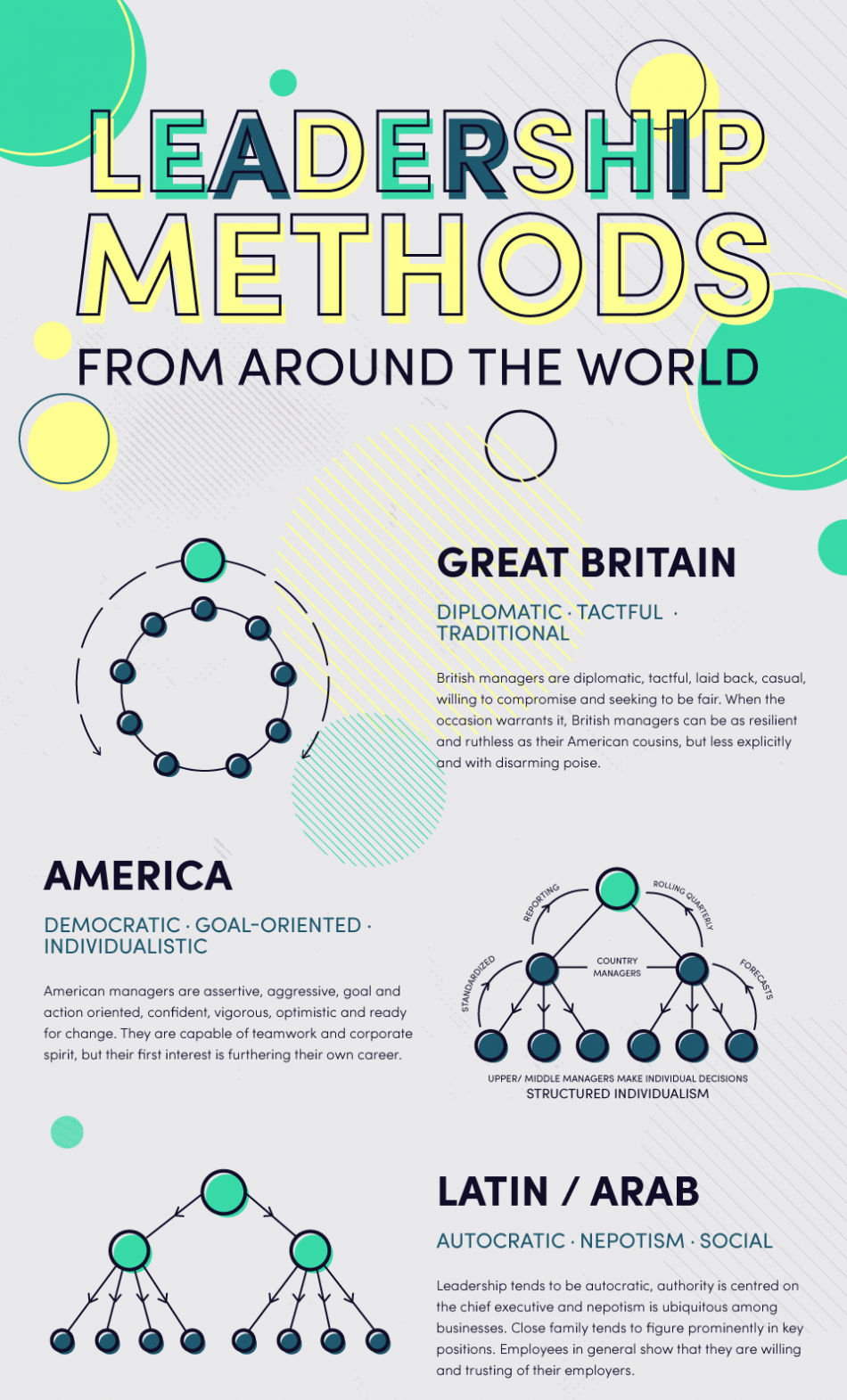
A retiring consultant’s advice on consultants | The Economist

Dear robin, I was delighted when you commissioned me to prepare this report for you after our discussion at the club. As a newly appointed chief executive at a Fortune 500 company, a thrilling yet perilous adventure awaits you. I commend your wisdom in choosing to hire a management consultant to guide you on your way.
I, naturally, would have been ideally positioned, given my many years of experience serving your company’s principal rival. Alas, the time comes in every man’s life when he must hang up his hat and retire to his home in the Bahamas. As my swan song, I have thrown together, as requested, a few thoughts on how to handle my kind. I hope you find the attached 120-page PowerPoint presentation useful. Below you will find a brief summary.
Continue reading “A retiring consultant’s advice on consultants | The Economist”