
Les vers de terre constituent la moitié de la biomasse animale terrestre.
1. Le poids écrasant des vers de terre
Un monopole inattendu
Selon une étude publiée dans PNAS (2018, voir source en bas de ce post), les vers de terre représentent environ 1,2 milliard de tonnes métriques, soit 50% de la biomasse animale terrestre totale.
En comparaison (voir tableau plus bas) :
• Le bétail domestique (vaches, porcs, moutons) pèse 600 millions de tonnes (25%).
• Les humains atteignent 60 millions de tonnes (2,5%).
• Tous les mammifères sauvages (éléphants, loups, cerfs) ne totalisent que 20 millions de tonnes (0,8%).
Cette domination s’explique par leur densité phénoménale : dans une prairie fertile, on peut trouver jusqu’à 1 million de vers par hectare, pesant collectivement 1 à 3 tonnes.
Pourquoi une telle abondance ?
• Une adaptation parfaite : Présents sur tous les continents (sauf déserts et glaciers).
• Un cycle de vie rapide : Certaines espèces produisent 100 œufs par an.
• Peu de prédateurs directs : Les taupes et oiseaux en mangent, mais pas assez pour limiter leur expansion.
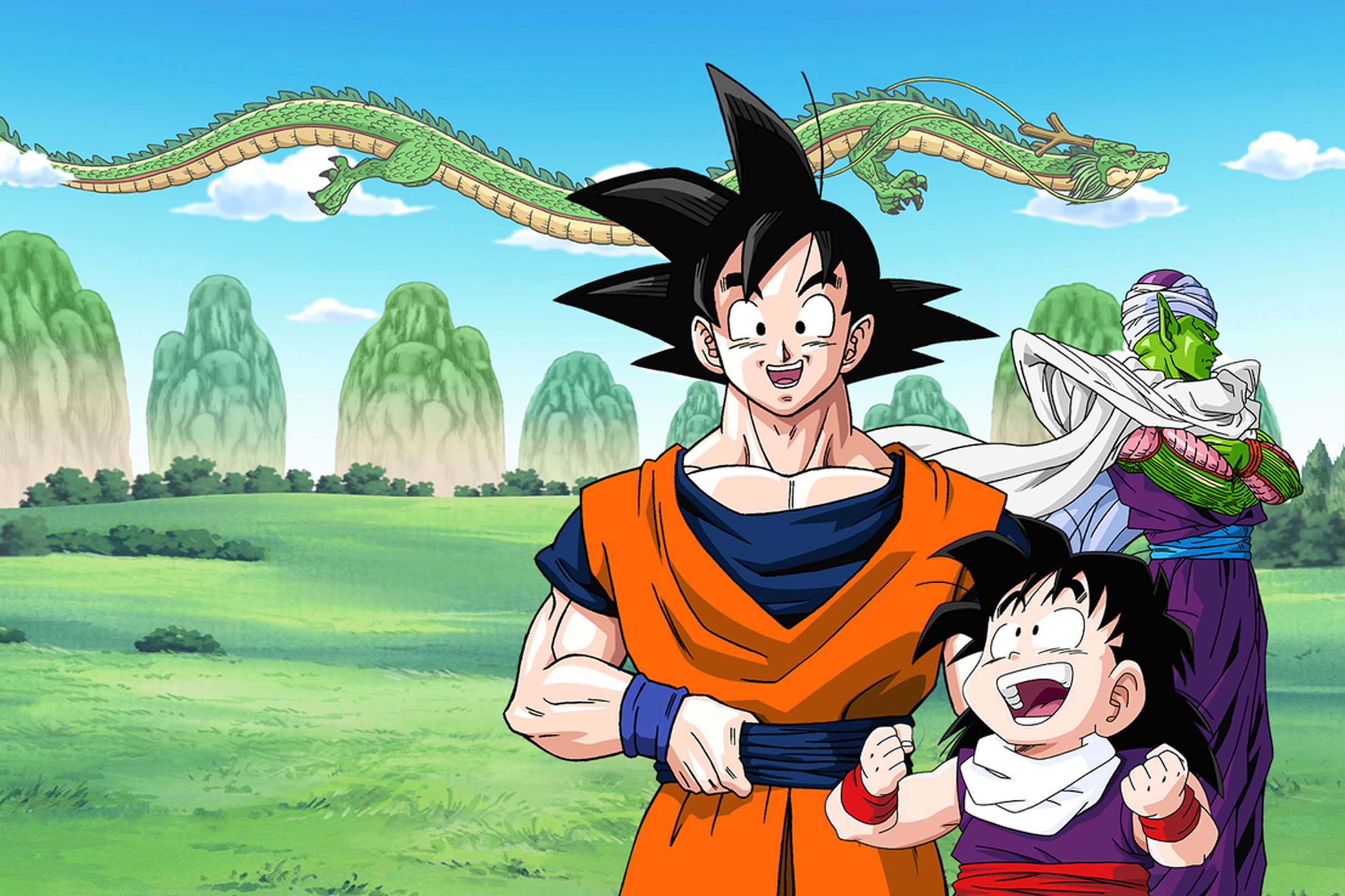
| Titre | Volumes | Dates | Canon | Scénario | Période |
|---|---|---|---|---|---|
| Dragon Ball | 42 | 1984–1995 | ✅ | Toriyama | Enfance de Goku → Fin de l’arc Boo |
| Dragon Ball Super | 24 | 2015–en cours | ✅ | Toriyama | Post-arc Boo (avant l’épilogue de DBZ) |
| Jaco the Galactic Patrolman | 1 | 2013 | 🔶 | Toriyama | Préquel (lié à l’origine de Goku) |
| Dragon Ball Minus | 1 | 2014 | ✅ | Toriyama | Origine de Goku (intégré à Broly) |
| Dragon Ball SD (Super Deformed) | 10 | 2010–en cours | ❌ | Ooishi | Parodie des arcs classiques |
✅ Canon : Fait partie de l’histoire principale approuvée par Toriyama.
🔶 Semi-canon : Éléments partiellement intégrés (ex : Jaco explique des détails de Super).
❌ Non-canon : Œuvres dérivées sans impact sur la timeline officielle.
Pre-Columbian civilizations refer to the societies and cultures that thrived in the Americas before the arrival of Christopher Columbus in 1492. These civilizations, including the Maya, Aztec, and Inca, developed advanced knowledge in architecture, astronomy, agriculture, and governance, leaving a lasting impact on history despite their decline following European colonization.
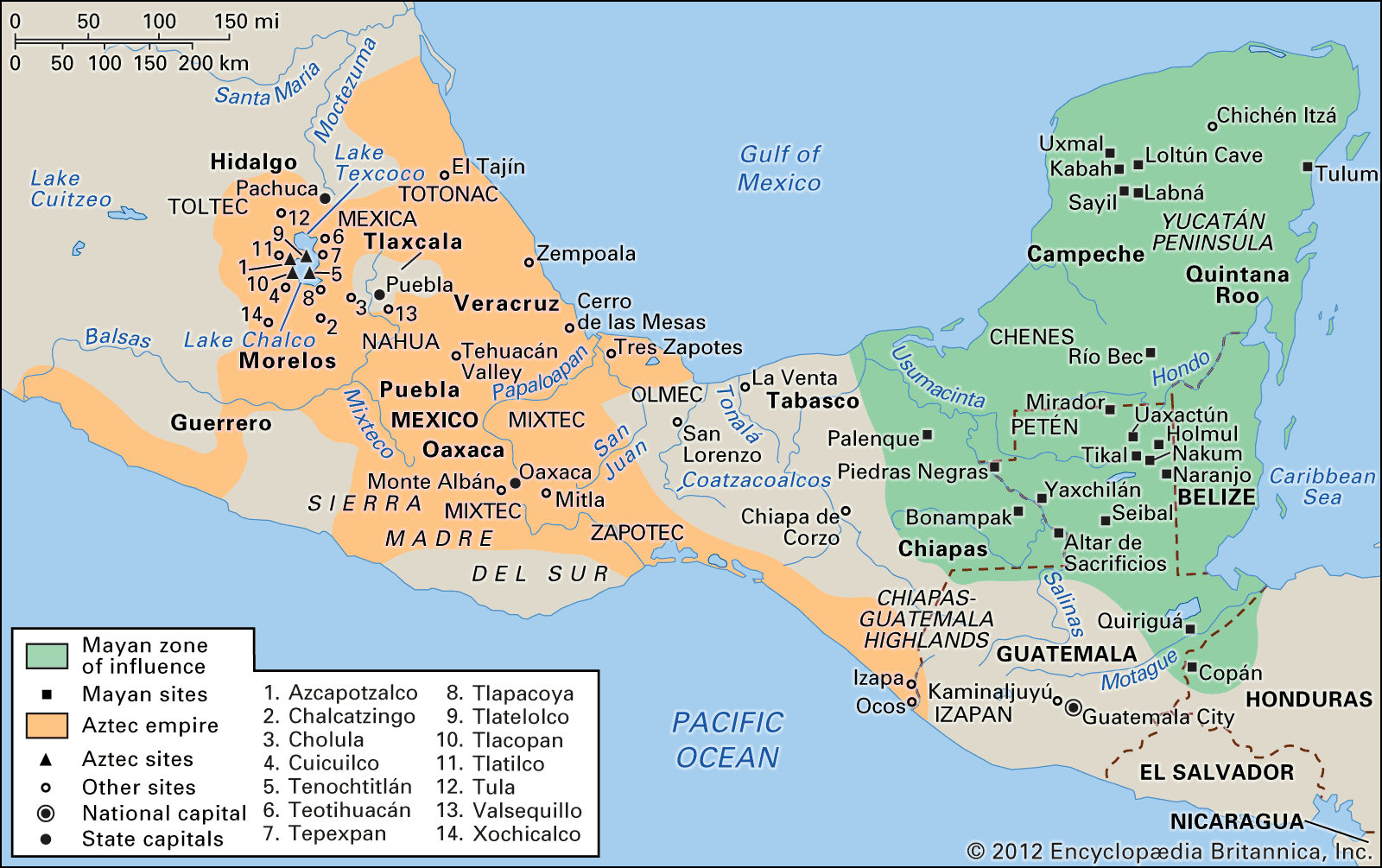
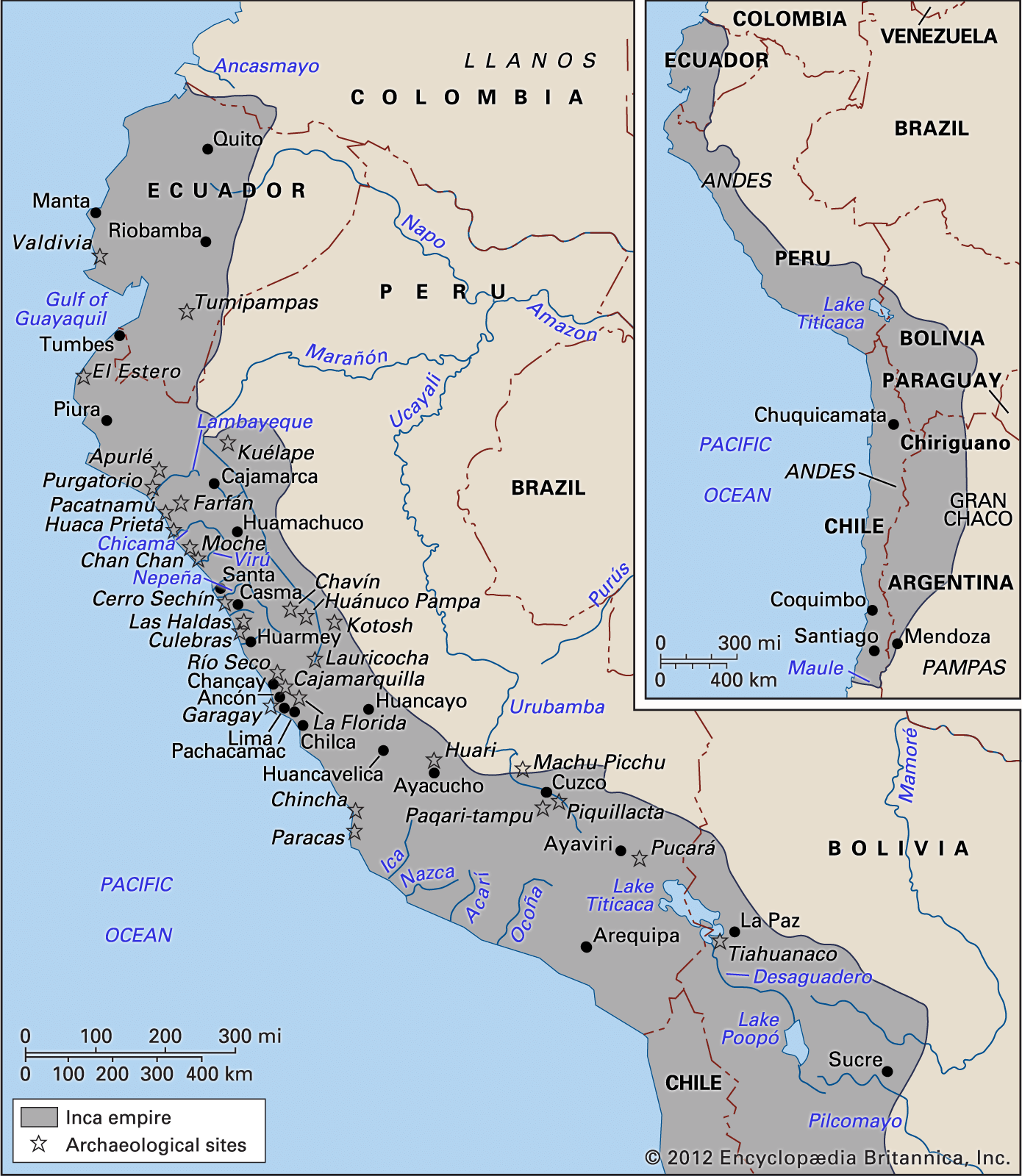
Source: Britannica

En 2007, Warren Buffett lançait un défi audacieux à l’industrie de la gestion d’actifs : un fonds indiciel S&P 500 (ETF) sur 10 ans ferait mieux que des fonds de hedge funds pourtant pilotés par des experts. Une décennie plus tard, le verdict est sans appel.

C’est l’histoire de quatre individus : Chacun, Quelqu’un, Quiconque et Personne.
Un travail important devait être fait, et on avait demandé à Chacun de s’en occuper :
À la fin, Chacun blâmait Quelqu’un, du fait que Personne n’avait fait ce que Quiconque aurait dû faire.

When a project falls behind schedule, the knee-jerk reaction is often to add more people to the team. But does this actually help? According to Brooks’ Law, the answer is a resounding no. In fact, it might make things worse.
📉 𝐁𝐫𝐨𝐨𝐤𝐬’ 𝐋𝐚𝐰 𝐢𝐧 𝐚 𝐍𝐮𝐭𝐬𝐡𝐞𝐥𝐥
“Adding manpower to a late project makes it later.”
More people = more complexity, not more progress.
💡 𝐖𝐡𝐲 𝐁𝐢𝐠𝐠𝐞𝐫 𝐓𝐞𝐚𝐦𝐬 𝐁𝐚𝐜𝐤𝐟𝐢𝐫𝐞
● 𝐑𝐚𝐦𝐩-𝐔𝐩 𝐓𝐢𝐦𝐞: New team members need time to get up to speed, pulling focus and resources away from the project.
● 𝐂𝐨𝐦𝐦𝐮𝐧𝐢𝐜𝐚𝐭𝐢𝐨𝐧 𝐎𝐯𝐞𝐫𝐥𝐨𝐚𝐝: More people mean more meetings, emails, and misaligned priorities. Coordination becomes a bottleneck.
● 𝐃𝐢𝐦𝐢𝐧𝐢𝐬𝐡𝐢𝐧𝐠 𝐑𝐞𝐭𝐮𝐫𝐧𝐬: Not all tasks can be easily divided, and adding more hands can lead to duplicated efforts or confusion.
🔑 𝐇𝐨𝐰 𝐭𝐨 𝐀𝐯𝐨𝐢𝐝 𝐭𝐡𝐞 𝐏𝐢𝐭𝐟𝐚𝐥𝐥𝐬
● 𝐒𝐭𝐢𝐜𝐤 𝐭𝐨 𝐒𝐦𝐚𝐥𝐥𝐞𝐫, 𝐒𝐤𝐢𝐥𝐥𝐞𝐝 𝐓𝐞𝐚𝐦𝐬: Focus on quality over quantity. A smaller, highly skilled team can often outperform a larger, less cohesive one.
● 𝐒𝐭𝐫𝐞𝐚𝐦𝐥𝐢𝐧𝐞 𝐂𝐨𝐦𝐦𝐮𝐧𝐢𝐜𝐚𝐭𝐢𝐨𝐧: Use tools and processes that minimize friction and keep everyone aligned.
● 𝐀𝐝𝐝𝐫𝐞𝐬𝐬 𝐑𝐨𝐨𝐭 𝐂𝐚𝐮𝐬𝐞𝐬: Instead of adding people, identify and fix the underlying issues causing delays.
● 𝐏𝐥𝐚𝐧 𝐟𝐨𝐫 𝐑𝐞𝐚𝐥𝐢𝐬𝐭𝐢𝐜 𝐓𝐢𝐦𝐞𝐥𝐢𝐧𝐞𝐬: Avoid overpromising and set achievable goals from the start.
🌟 𝐓𝐡𝐞 𝐁𝐢𝐠 𝐓𝐚𝐤𝐞𝐚𝐰𝐚𝐲: More people ≠ More productivity. The right team size matters!
WordPress | Baskerville 2 by Anders Noren.